
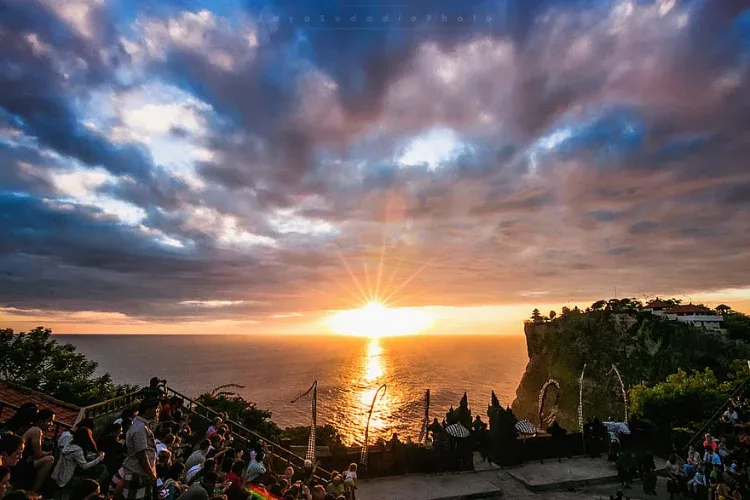
Firedance Uluwatu – Bali is renowned for its vibrant cultural heritage, and one of the most exhilarating experiences it offers is the Firedance Uluwatu performance. Held at the stunning Uluwatu Temple, this traditional dance is a captivating blend of spirituality and spectacle. Set against the backdrop of Bali’s dramatic cliffs and ocean views, the Firedance Uluwatu is a must-see for anyone visiting the island.
If you’re planning to attend the Firedance Uluwatu, you might wonder: what makes this performance so special? What should you expect from the experience, and how can you prepare for it? What facilities are available at the venue, and how do you get there? This guide will answer these questions and provide you with all the information you need to fully enjoy this iconic Balinese event.
Let’s dive into the details of the Firedance Uluwatu, including its attractions, activities, facilities, and practical tips for visitors.
Experience the Thrill of Firedance Uluwatu: Bali’s Iconic Performance
The Allure of Firedance Uluwatu
The Cultural Significance
The Firedance Uluwatu, also known as the Kecak Dance, is a traditional Balinese performance that combines dance, music, and drama. The dance is performed by a group of men who chant rhythmically and move in unison to narrate the story of the Ramayana, an ancient Hindu epic. The most striking feature of the performance is the use of fire, which adds a dramatic flair to the storytelling. This dance is not just a cultural show; it is a vibrant representation of Balinese heritage and religious traditions.
The Stunning Setting
Uluwatu Temple, perched on a cliff overlooking the Indian Ocean, provides a breathtaking backdrop for the Firedance Uluwatu performance. The temple itself is a significant site in Balinese Hinduism, and the combination of its scenic location and the dramatic dance creates a mesmerizing experience. As the sun sets and the sky turns into hues of orange and pink, the atmosphere becomes even more magical, making the performance an unforgettable spectacle.
Activities and Attractions
Enjoy the Kecak Dance
The Firedance Uluwatu performance is the highlight of any visit to the temple. The dance typically begins at sunset, offering a spectacular view of the ocean and the sky as a backdrop. The dancers, dressed in traditional costumes, perform intricate movements and chants, creating a rhythmic and hypnotic experience. The use of fire, especially during the climax of the performance, adds an element of excitement and awe.
Explore Uluwatu Temple
Before or after the dance, take the time to explore Uluwatu Temple itself. The temple is an important spiritual site and is known for its stunning cliffside location. Wander around the temple grounds, appreciate the traditional Balinese architecture, and enjoy panoramic views of the ocean. Be sure to dress modestly and follow temple etiquette while exploring.
Capture the Moment
The Firedance Uluwatu offers fantastic opportunities for photography. The combination of dramatic performances and stunning natural scenery provides a perfect setting for memorable photos. Remember to be respectful of the performers and follow any photography guidelines provided by the temple.
Facilities Available
Visitor Amenities
Uluwatu Temple is well-equipped to accommodate visitors. Facilities include clean restrooms, ample parking, and designated areas for watching the performance. There are also vendors selling snacks and drinks, so you can enjoy a light refreshment before or after the dance.
Souvenir Shops
Several souvenir shops are located near the temple, offering traditional Balinese crafts, clothing, and religious artifacts. These shops provide a great opportunity to pick up mementos of your visit and support local artisans.
How to Reach Uluwatu Temple
Location and Accessibility
Uluwatu Temple is situated in the southern part of Bali, about 30 kilometers from Denpasar. The temple is accessible by car or scooter, and the drive offers beautiful views of the island’s coastline.
Transportation Options
- Taxi: Hiring a taxi is a convenient way to reach Uluwatu Temple. It provides a direct and comfortable journey, especially if you’re traveling with a group or prefer not to drive.
- Rental Scooter: For a more adventurous option, renting a scooter allows you to explore the area at your own pace. The scenic drive to the temple is enjoyable and provides a chance to see more of Bali’s natural beauty.
- Tour Packages: Many travel agencies offer tour packages that include a visit to Uluwatu Temple and the Firedance performance. This can be a convenient option if you want to combine the performance with other local attractions.
Costs and Preparation
Ticket Prices
The entrance fee to Uluwatu Temple is relatively low, and there is an additional charge for attending the Firedance Uluwatu performance. Tickets for the performance are usually sold at the temple entrance or can be purchased through local tour operators. It’s a good idea to check current prices and availability before your visit.
Dress Code and Etiquette
When visiting Uluwatu Temple, it is important to dress modestly. Traditional Balinese attire, such as sarongs and sashes, is required and can often be rented or purchased from vendors near the temple. Additionally, be respectful of local customs and follow the temple’s guidelines during the performance.
Conclusion
The Firedance Uluwatu is a spectacular and culturally enriching experience that offers a unique glimpse into Balinese traditions. With its dramatic dance, stunning setting, and rich spiritual significance, it’s a must-see for anyone visiting Bali. Whether you’re captivated by the performance or inspired by the temple’s beauty, Uluwatu offers an unforgettable experience that showcases the essence of Balinese culture.
Ready to experience the magic of Firedance Uluwatu? Plan your visit to Bali and witness this extraordinary performance at Uluwatu Temple. For more information on ticket prices, local guides, and tour options, visit our website or contact local tour operators to make the most of your Bali adventure.


Estrelabet is hitting the spot! Great odds and a clean interface. Had a blast playing here last night. I recommend giving it a shot: estrelabet
Just logged into 76kbetlogin. Seems legit, so far so good. Give it a try and see for yourself! Check it: 76kbetlogin